

Providing You With the Very Best Dental Care.
Oral Appliance vs CPAP Machine: Choosing the Right Treatment for Sleep Apnea
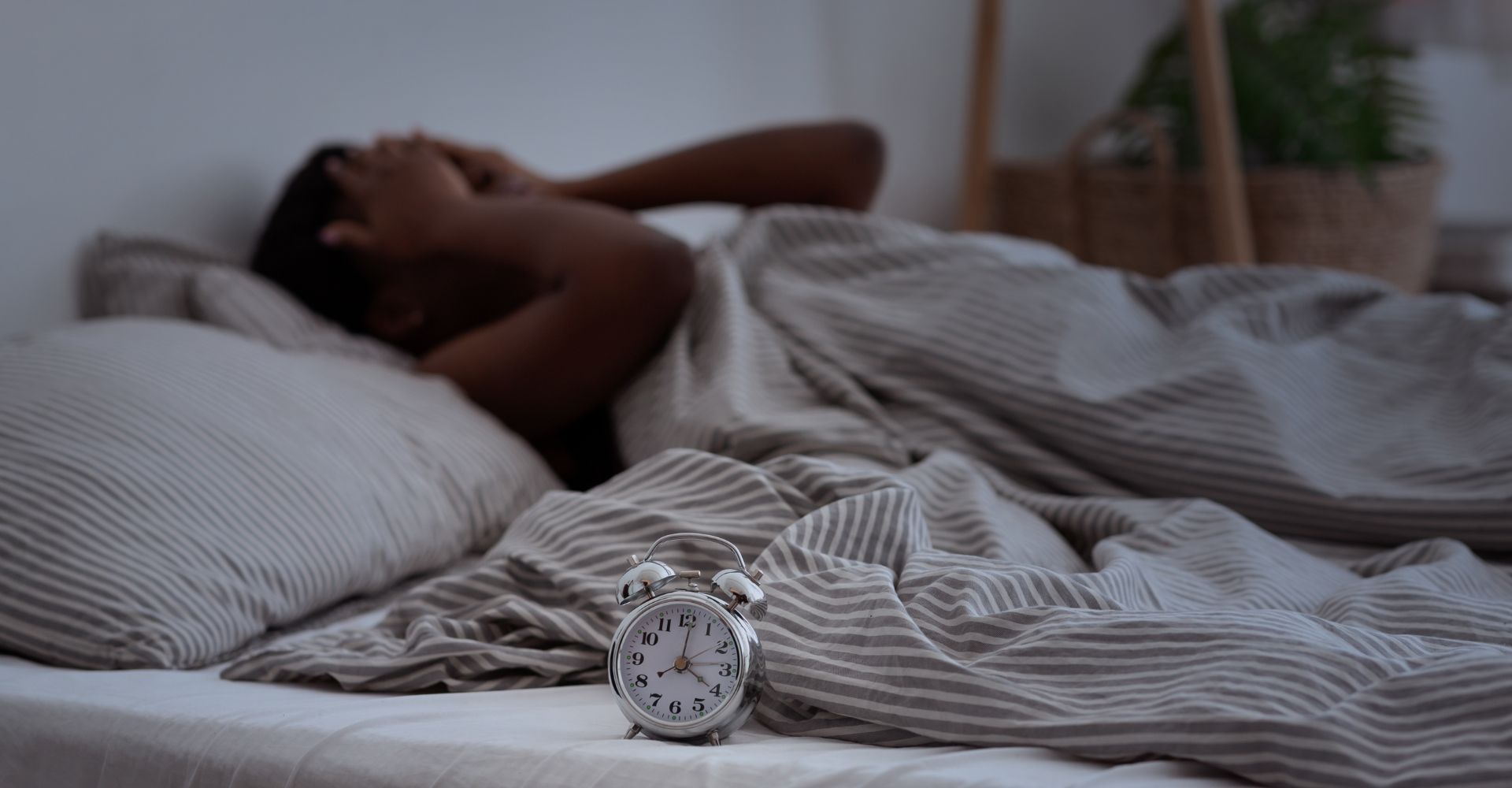
At Beaver Brooke Dental, we understand the importance of addressing sleep apnea for improved overall health and well-being. Sleep apnea affects millions of individuals globally, and choosing the right treatment is crucial for quality sleep. Deciding between using an oral appliance or a CPAP machine is an important decision that must be made based on your specific situation.
Understanding Sleep Apnea and its Symptoms
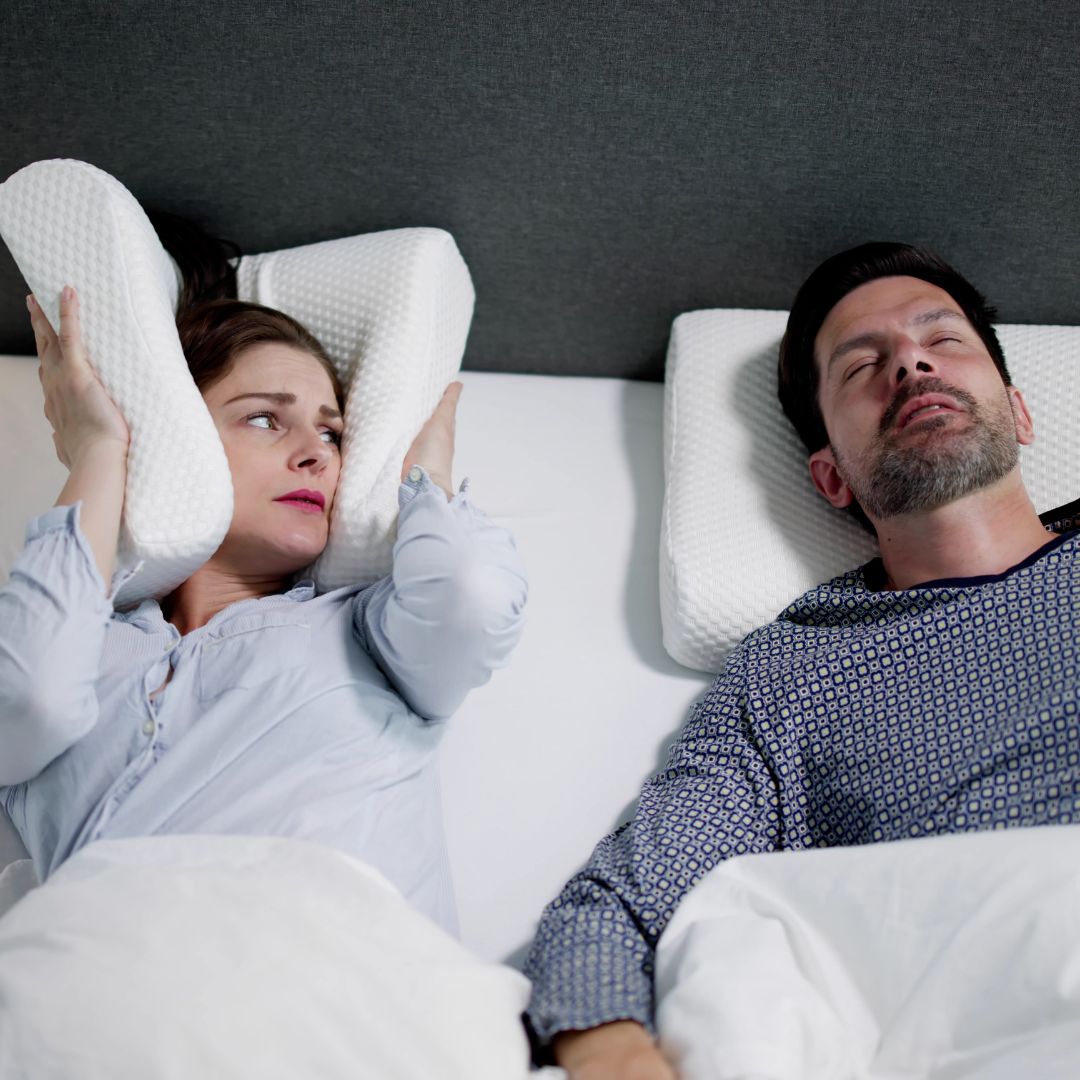
Sleep apnea is a prevalent sleep disorder that manifests as pauses in breathing or shallow breathing episodes during sleep. Individuals suffering from sleep apnea often experience disruptive symptoms such as persistent loud snoring, consequent daytime fatigue, and recurring morning headaches. Identifying these symptoms and understanding the underlying causes are essential steps in addressing and effectively managing sleep apnea.
Benefits of Using an Oral Appliance for Sleep Apnea
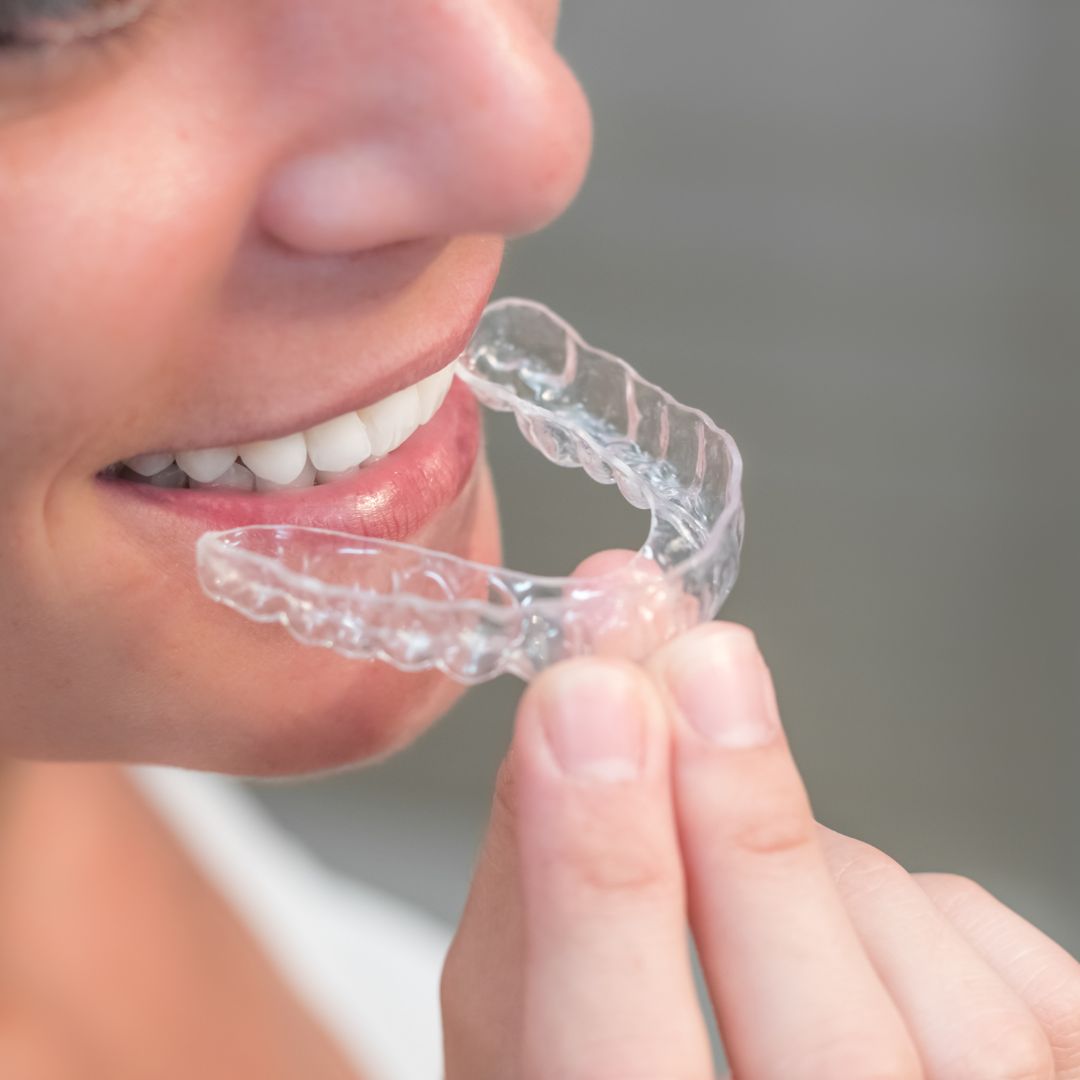
Oral appliances offer a tailored approach to treating sleep apnea by custom-fitting devices that adjust the position of your jaw and tongue to prevent airway obstruction during sleep. By accommodating the individual contours of your mouth and jaw, these devices effectively reduce snoring and facilitate improved breathing patterns throughout the night.
You may be a suitable candidate for an oral appliance to treat your sleep apnea if you prefer a non-invasive and portable treatment option. Additionally, if you have mild to moderate sleep apnea and experience discomfort or difficulty sleeping with a CPAP machine, an oral appliance could be a beneficial alternative. Individuals who travel frequently or find CPAP machines cumbersome may also find that oral appliances offer a more convenient and comfortable solution for managing their sleep apnea symptoms.

Advantages of Using a CPAP Machine for Sleep Apnea
CPAP machines operate by providing a continuous and regulated flow of pressurized air through a mask that covers either your nose, mouth, or both, during sleep. This airflow acts as a pneumatic splint to support the airway, effectively preventing interruptions in breathing that are characteristic of sleep apnea.
You might be an ideal candidate for a CPAP machine if you have been diagnosed with moderate to severe sleep apnea. Additionally, if you are comfortable wearing a mask during sleep and prefer a treatment method that provides continuous airflow to keep your airway open, a CPAP machine could be a suitable option for managing your sleep apnea effectively. Individuals who have tried other treatment options without success or require higher air pressure settings may benefit from the consistent and controlled airflow provided by a CPAP machine to alleviate their sleep apnea symptoms.
How to Choose the Right Treatment Option for You
Consult with a sleep specialist or local dentist to discuss symptoms and treatment goals. Consider comfort, lifestyle, travel habits, and budget when deciding between an oral appliance and a CPAP machine. Try both options, if necessary, to determine the best fit for improving sleep quality.
Our local dentist office in Sandy, OR, acknowledges the significance of treating sleep apnea for overall health. Oral appliances and CPAP machines offer effective treatment options, each with unique benefits. Take a step towards better sleep and overall health by contacting Beaver Brooke Dental today to learn more about our oral appliances for sleep apnea.